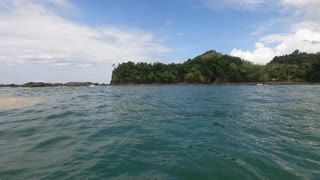
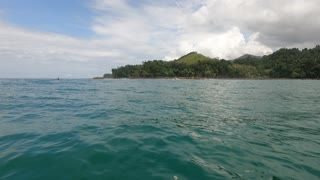
Blue water, two miles from the beach.
A coast with no road, on the Pacific side of Panamá. Four anglers a week, kayak and panga, December to May.
Seven hundred photographs, fish by fish.
Every catch in the archive, sorted by species and by option. Nothing curated for a shop window: this is what comes out of this water.
A coast the road never reached, and an operation the size of a house.
The Wild Coast, on the western flank of the Azuero Peninsula, has no coastal road. Getting here is seven hours by van to Cambutal, where the tarmac ends on a beach, then ninety minutes west by boat into Veraguas.
That journey is what defines the fishing. No charter fleet and no commercial pressure work this stretch. On most days the other boat you see is ours.
We take four anglers a week. The scale is a decision, not a limitation.
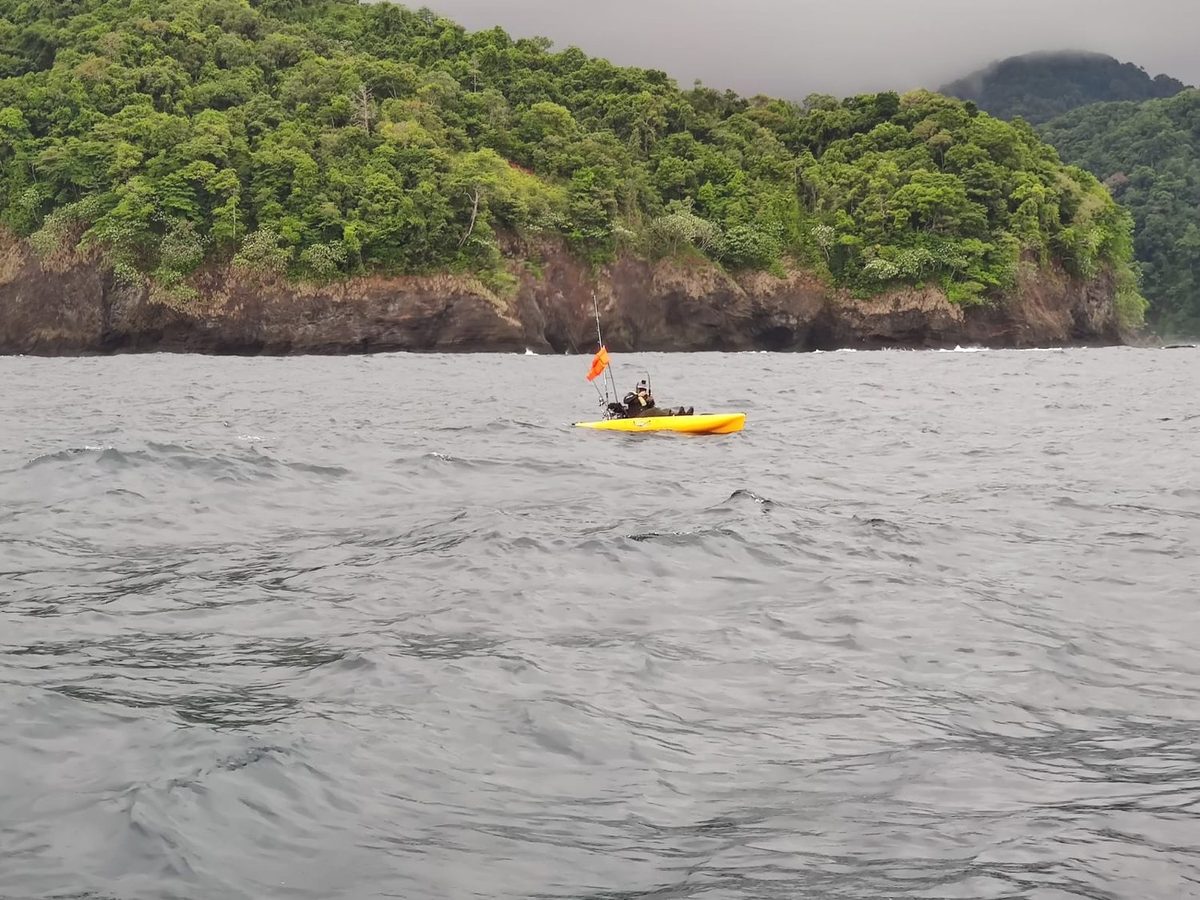
The platform sets the pace of the week.
Kayak fishing and panga fishing are different experiences, each with its own boat, its own pace, its own range and its own rate.
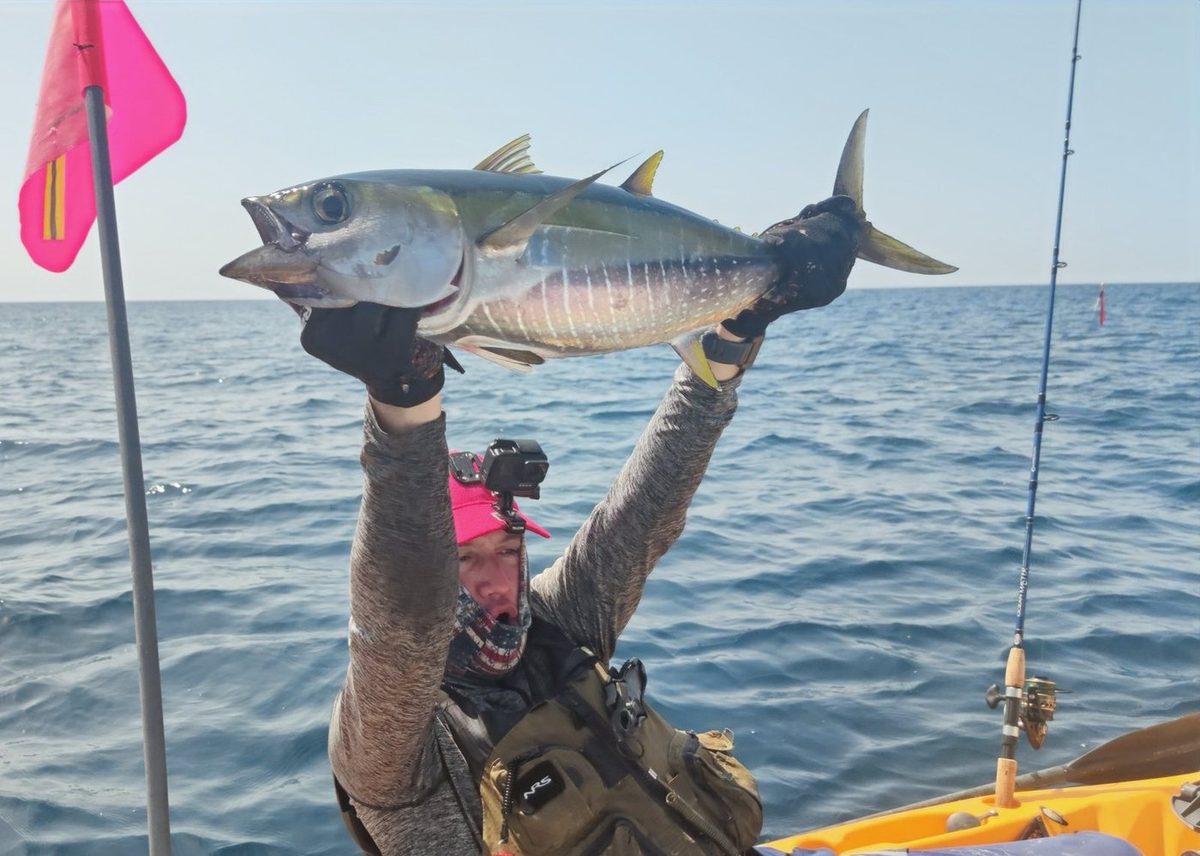
Kayak fishing
Flat on the water, no engine, close enough to the rock that a boat could not hold. The fish tows you. It asks for fitness and the willingness to paddle all day.
See this option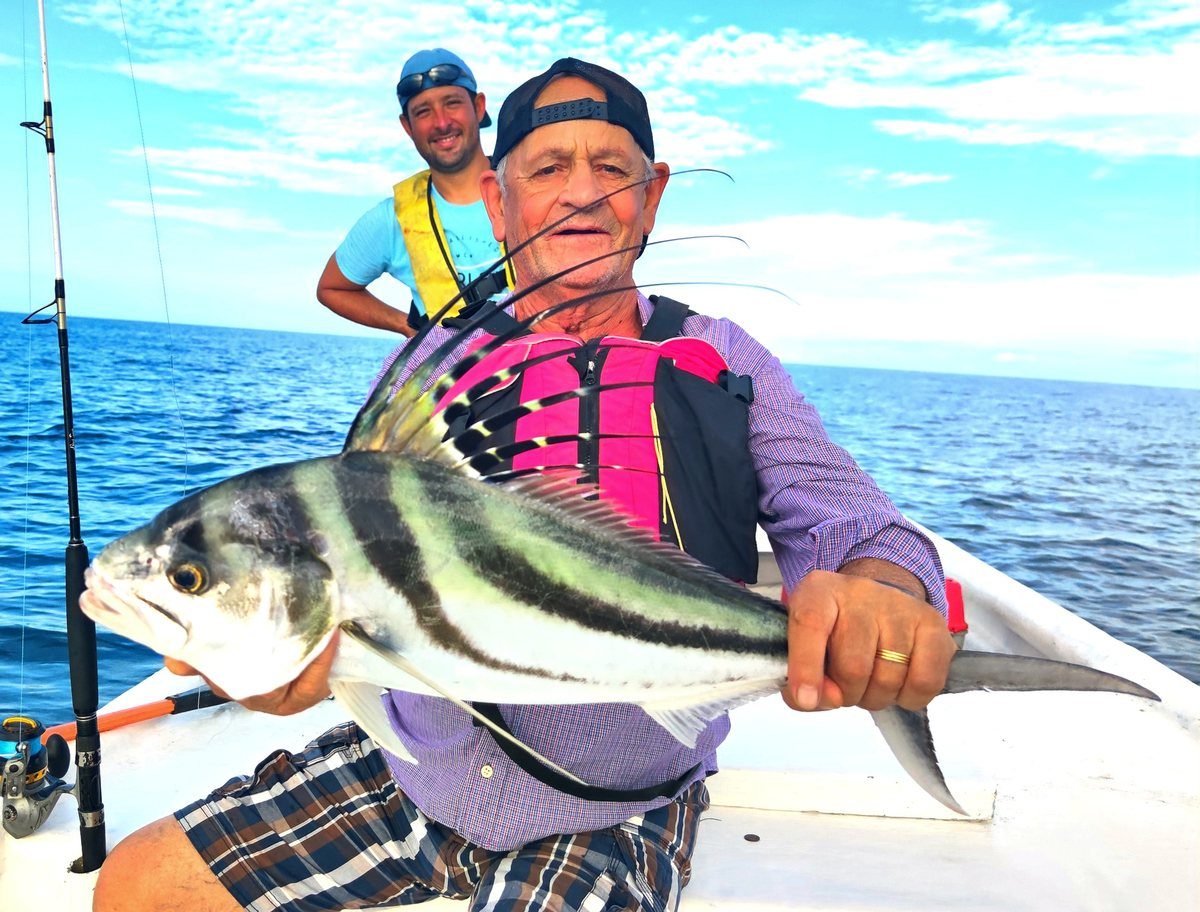
Panga fishing
Aboard, with greater range and the whole day covered. It reaches offshore marks a kayak cannot, and lets you move between grounds without spending the angler.
See this optionThree facts that explain the fishing.
The drop-off is close
Under two miles offshore the bottom falls to 500 metres, and on to a thousand. Inshore species and blue-water species share the same water.
Two coasts, one lodge
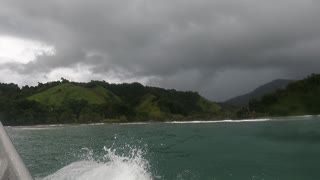
East, long sand broken by rocky points. West, cliff and deep water along the coast adjoining Cerro Hoya National Park. Offshore, reefs and seamounts.
No fishing pressure
No commercial fleet works this stretch. The nearest settlement is a handful of families. The stock structure reflects that.
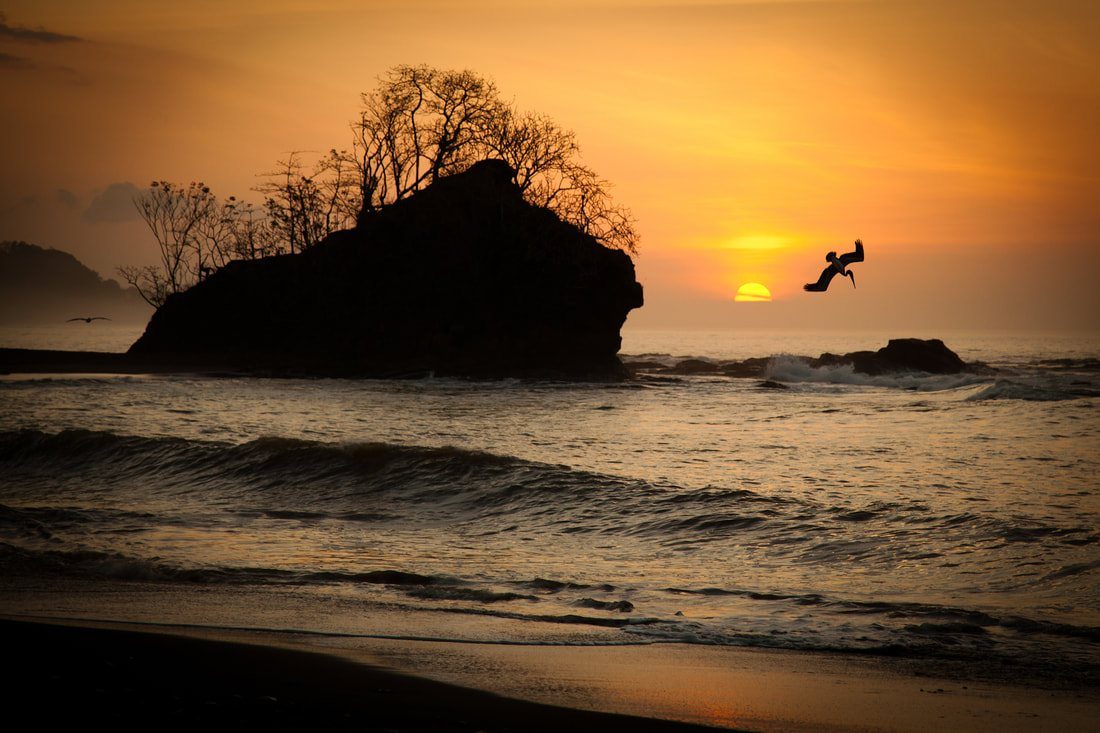
Cubera and roosterfish go back in the water.
Of the other edible species we take only what feeds the lodge that day. No fish leaves this coast in a cool box. That is an operating condition, not a position.
Ask about a week.
Tell us which option and roughly when. We will answer with what is actually open.
Talk about a weekA shoreline the road never reached.
Tembladera sits on the Pacific coast of Veraguas province, on the western flank of the Azuero Peninsula. There is no coastal road. Everything and everyone arrives by boat.
Two legs, about eight and a half hours.
Panamá City to Cambutal
Private air-conditioned minibus, collected from your hotel in the morning. The tarmac ends on the beach at Cambutal, on the southern tip of Azuero.
Cambutal to the lodge
You board the boat and run west into Veraguas. Phone signal drops away within twenty minutes. The coast turns to rainforest backed by mountain.
You will need a night in Panamá City on arrival and another on the way out. Fly into Tocumen (PTY).
Under two miles to a thousand metres.
Inside two miles the bottom drops through 500 metres and keeps going to a thousand. The 1,000 fathom line, which offshore boats elsewhere run for hours to reach, passes in front of the lodge.
The result is a mixed fishery at short range. Cubera and roosterfish hold on the rock. Yellowfin, sailfish and marlin move through on the migration route just outside.
April, May and June are the months when billfish traffic is heaviest.
Sand and headland
Long beach broken by rough ground, rocky points and promontories. Roosterfish country, and where the corvina come in from January.
Cliff and deep water
The coast adjoining Cerro Hoya National Park. Forested mountain falling into the sea, sheer rock, and deep water within a short paddle. The lodge sits outside the park boundary.
Reef and seamount
Reefs, seamounts, islands and river mouths. The amberjack and grouper marks, and where the tuna schools hold.
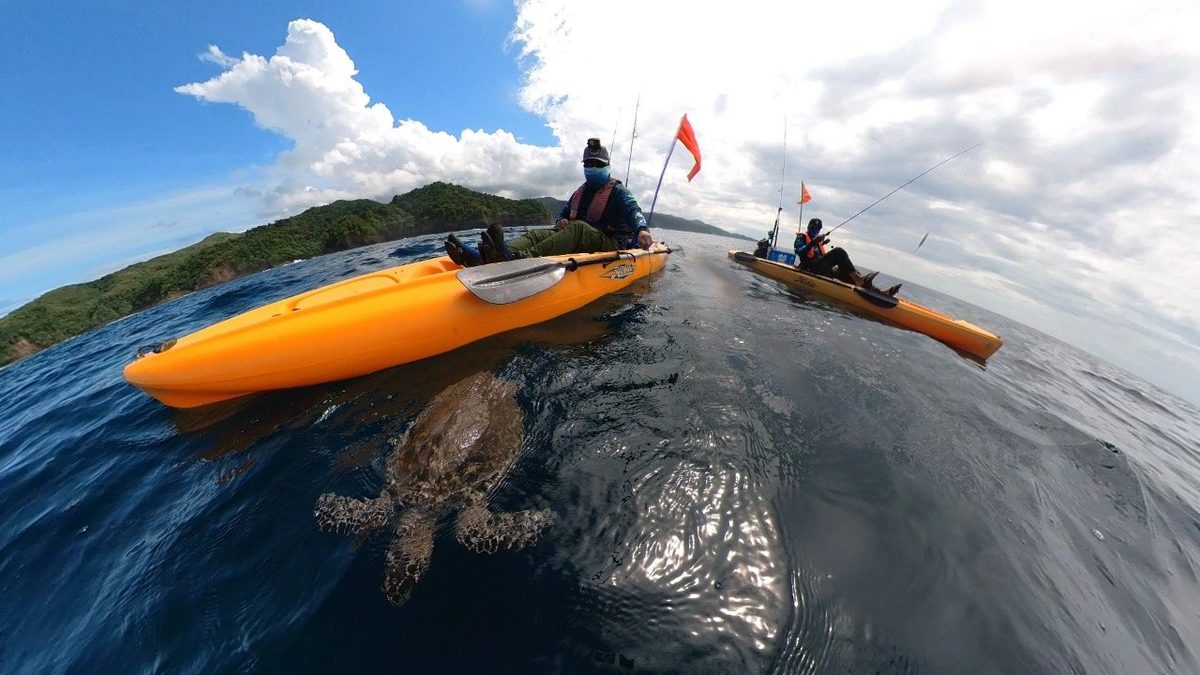
You will not be the only thing on the water.
Turtles, manta rays, whales and whale sharks pass through in season. On land, howler monkeys, iguanas and a range of mammals and insects that only survives where people have not arrived in numbers.
None of it is guaranteed in a given week. It is what an unpressured coast looks like.
Kayak fishing.
Flat on the water, no engine, within reach of the rock. It is the option this operation was built on, and the one that asks most of the angler.
What the kayak buys you.
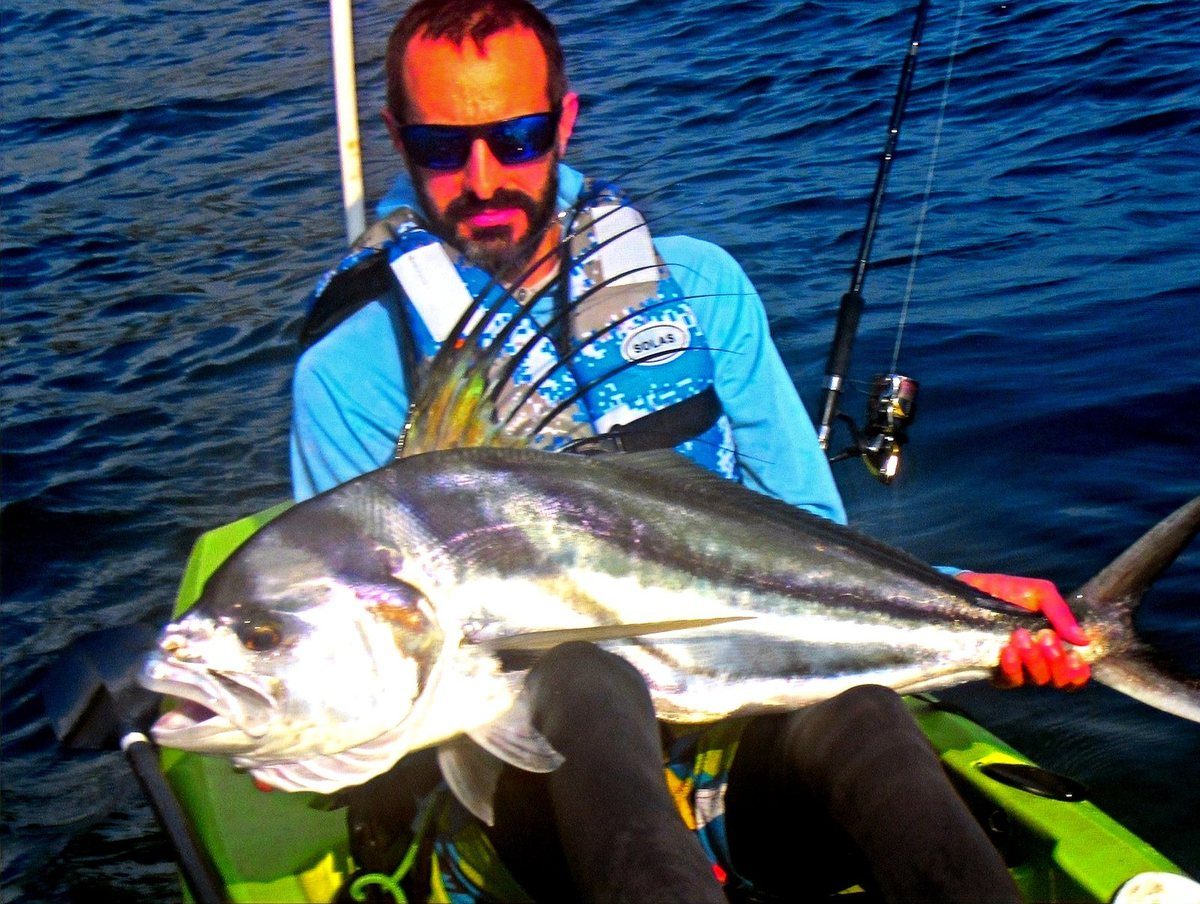
A kayak puts you flat on the water, silent, and close enough to structure that a boat could not hold. On a coast where cubera live in the rock and roosterfish hunt the wash, that proximity is the whole advantage.
It also means you get towed. A hooked fish of any size will move you, and you have no engine to argue with it.
Hobie kayaks and BlackFin by PanaYaks, with accessories, are provided.
Who it suits.
It asks for fitness and the willingness to spend the day paddling and pedalling, exposed to sun and wind. You do not need to be an athlete, but you do need to be in shape to paddle for hours and to handle a change in the weather.
Anglers who have never fished from a kayak complete the week. What does not work is arriving without knowing the effort is part of it.
How it runs.
First light
Breakfast, then kayaks and anglers load into the super-pangas and we head out.
Morning session
Dropped on a designated inshore zone, then offshore reef marks. The safety boat stays in sight, catches live bait and hands it across on the water.
Lunch
At the lodge, or on an empty beach, depending where the fishing has taken us.
Afternoon session
Out again. Back at the lodge by sunset.
Five full fishing days across a six-night stay.
How it is fished.
Popping
Watching a fish engulf the popper at rod’s length is why most people book. Top-water is the signature method of this option.
Jigging
Speed and slow-pitch on the offshore reefs, on the drops the safety boat allows.
Livebait
Bonito, blue runner and small jacks, slow-trolled behind the kayak. The selective method for the bigger fish.
Casting
Divers, stickbaits and jerkbaits along the rock, which is where the kayak reaches and a boat does not.
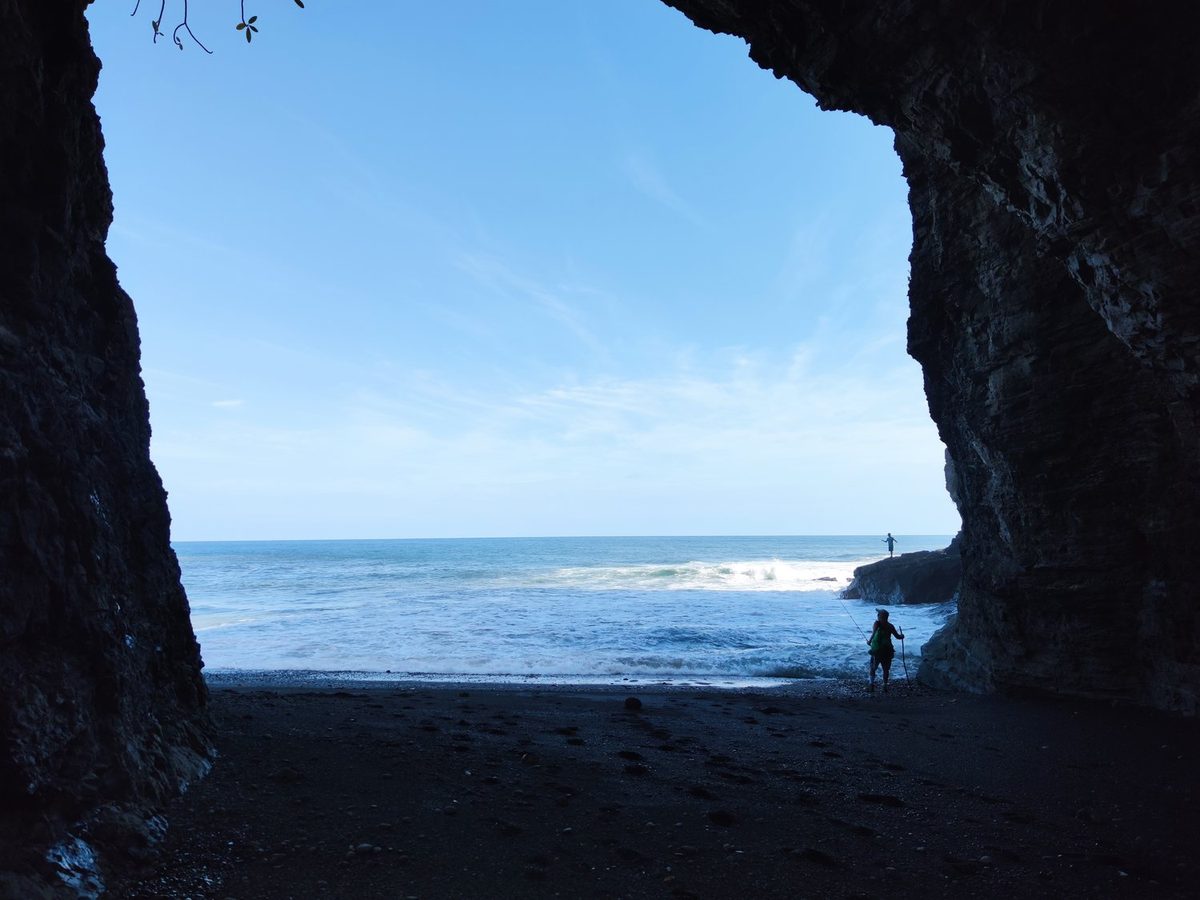
Shore fishing, after the day.
There are rock marks and beach in front of the lodge. Bait fishing in the surf at dusk has produced snapper, nurse shark and big cubera on bonito flesh.
Bring a surfcasting rod if it interests you. There is some tackle at the lodge.
The support boat stays with you.
A boat shadows the kayaks all day, within sight. It catches live bait, carries water and gear, and is there if the weather turns or someone comes off.
We ask every angler to carry a portable waterproof VHF. It is what turns a problem into a call.
Panga fishing.
Aboard, with greater range and the whole day covered. Same coast, same ground, a different way of working it.
What the panga buys you.
The panga reaches marks a kayak cannot: reefs and seamounts further out, and the edge where the blue water starts. It also lets you move between grounds mid-day without spending the angler.
It suits anglers who want to cover more water, fish deeper, or simply fish without the paddling. It is not a simplified version of the other option — it is a different kind of day.
Local captain and guide on every boat, every day.
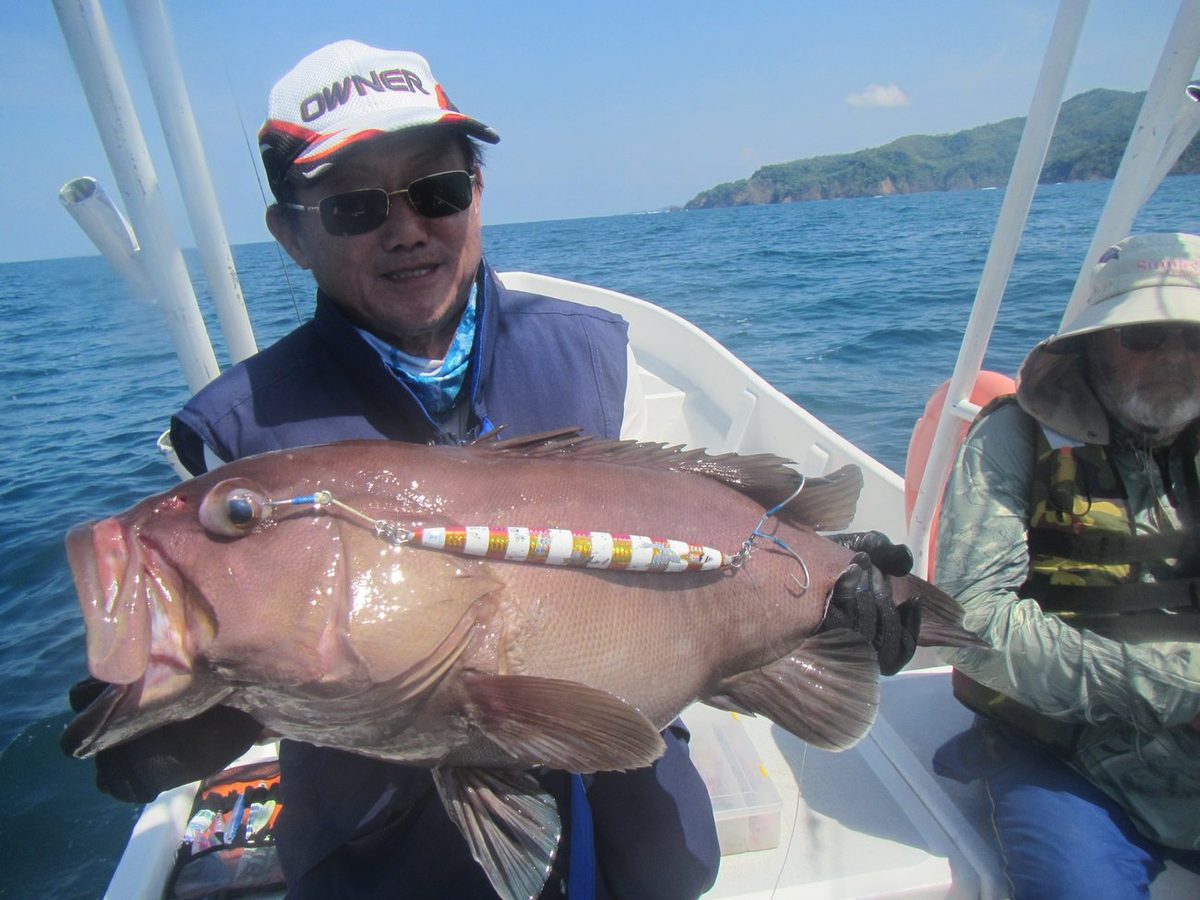
Who it suits.
Anglers who want the remote ground without the physical demand of a kayak, and anglers who fish heavier tackle. Also anglers who already know this coast from a kayak and want to work the outside marks.
The scale is the same: small group, individual attention, no boat shared with strangers.
How it runs.
First light
Breakfast and out. Live bait is caught on the way, at the first stop.
Morning
Coast and near reef, or straight to the outside marks, depending on the day and the species you are after.
Lunch
Aboard or back at the lodge, depending on how far the day has gone.
Afternoon
Second session, often in deeper water. Back at sunset.
Five full fishing days across a six-night stay.
How it is fished.
Jigging
Speed and slow-pitch on the offshore reefs and seamounts. This is where the panga does what the kayak cannot.
Livebait
Slow-trolled bonito, blue runner and small jacks. The method for the big fish.
Popping
Top-water on the rock and over showing schools, with the boat setting up the cast.
Trolling
Divers and spoons between marks, using the run.
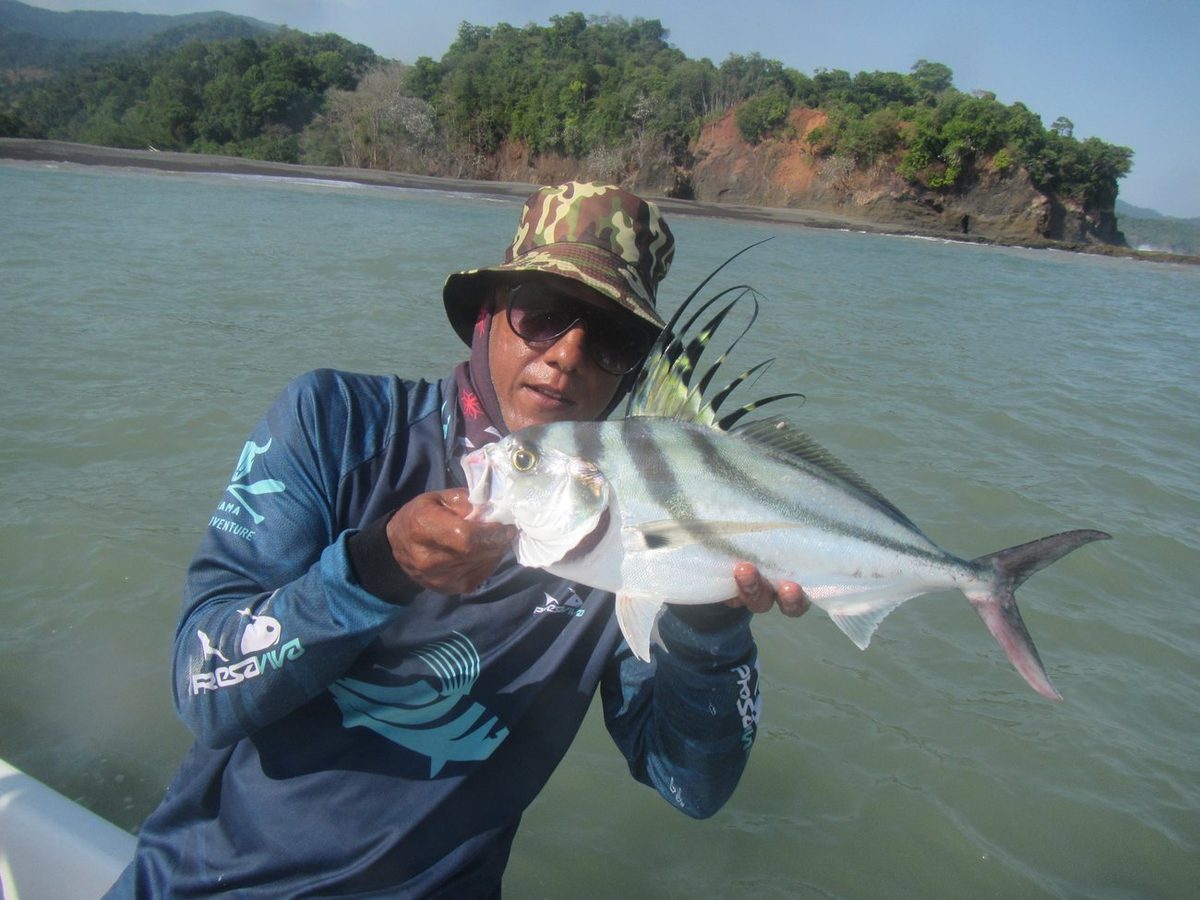
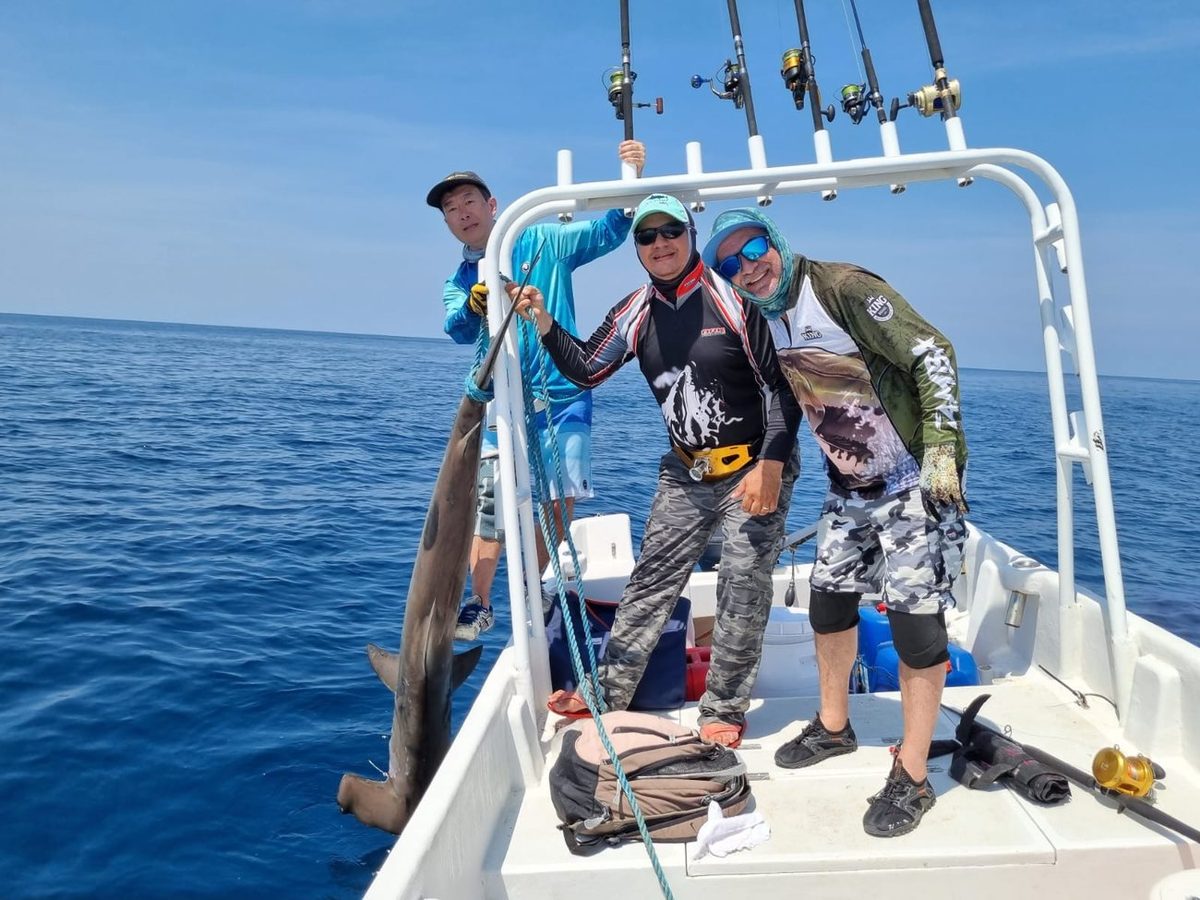
The boat.
Super-pangas, the same boats that shadow the kayaks. Open boat, built for this coast and this sea, with a captain who knows the marks.
It is not a closed-deck boat and it has no tower. It is the vessel that works here.
Nineteen species worth the trip.
Sizes are what we actually see, not records from elsewhere. Seasons are honest — some of these are a lottery and we say so.
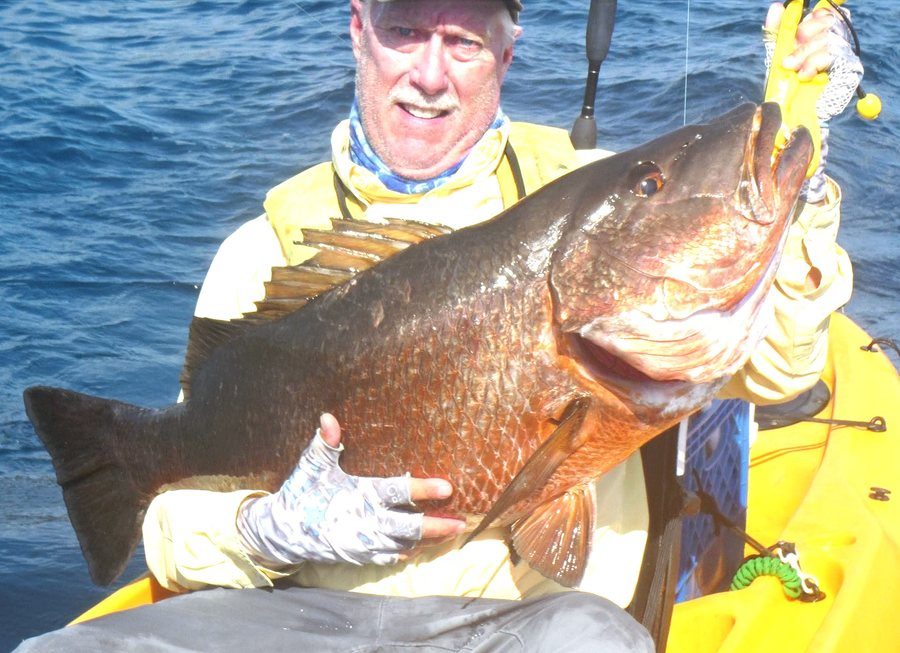
Cubera Snapper
The one most hardcore anglers put at the top, and the hardest thing on this coast to land from a kayak. They fight dirty and run straight for the structure. This ground gives you a real shot — but keep the drag tight, because any weakness in the tackle is the weakness they will find.
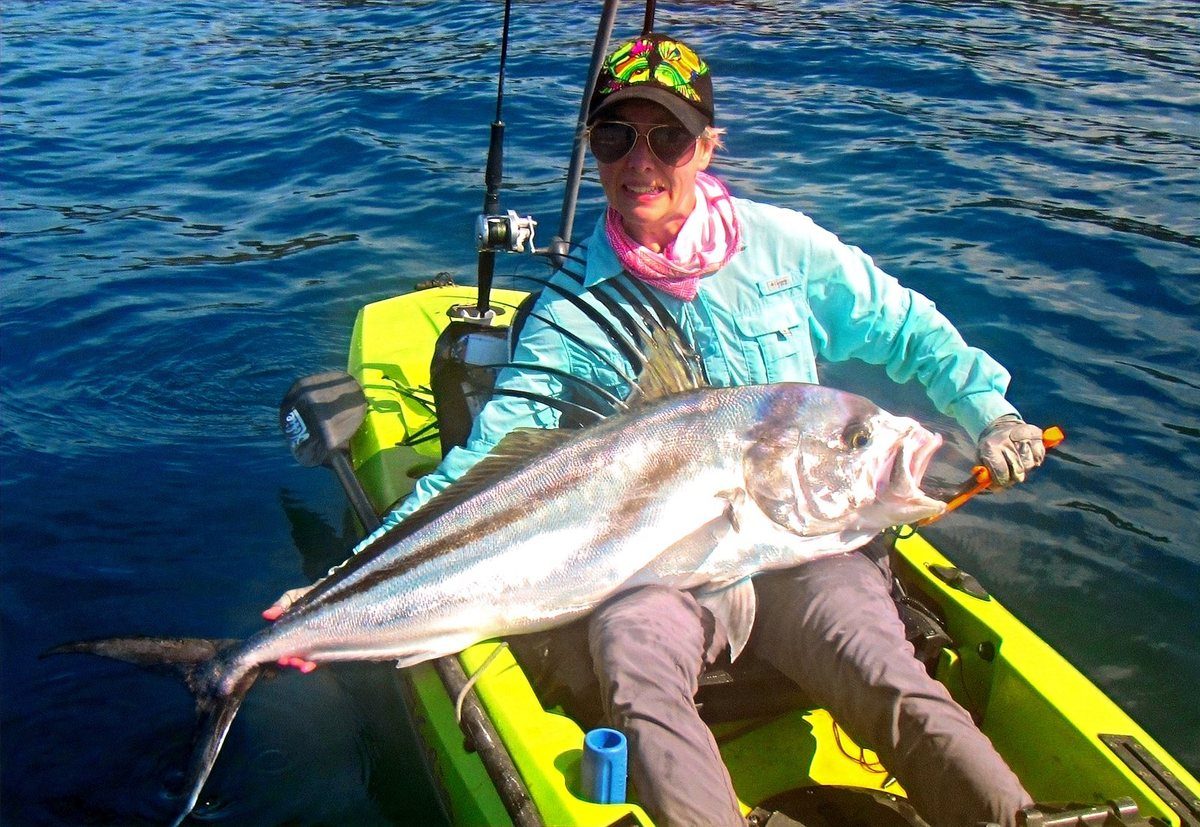
Roosterfish
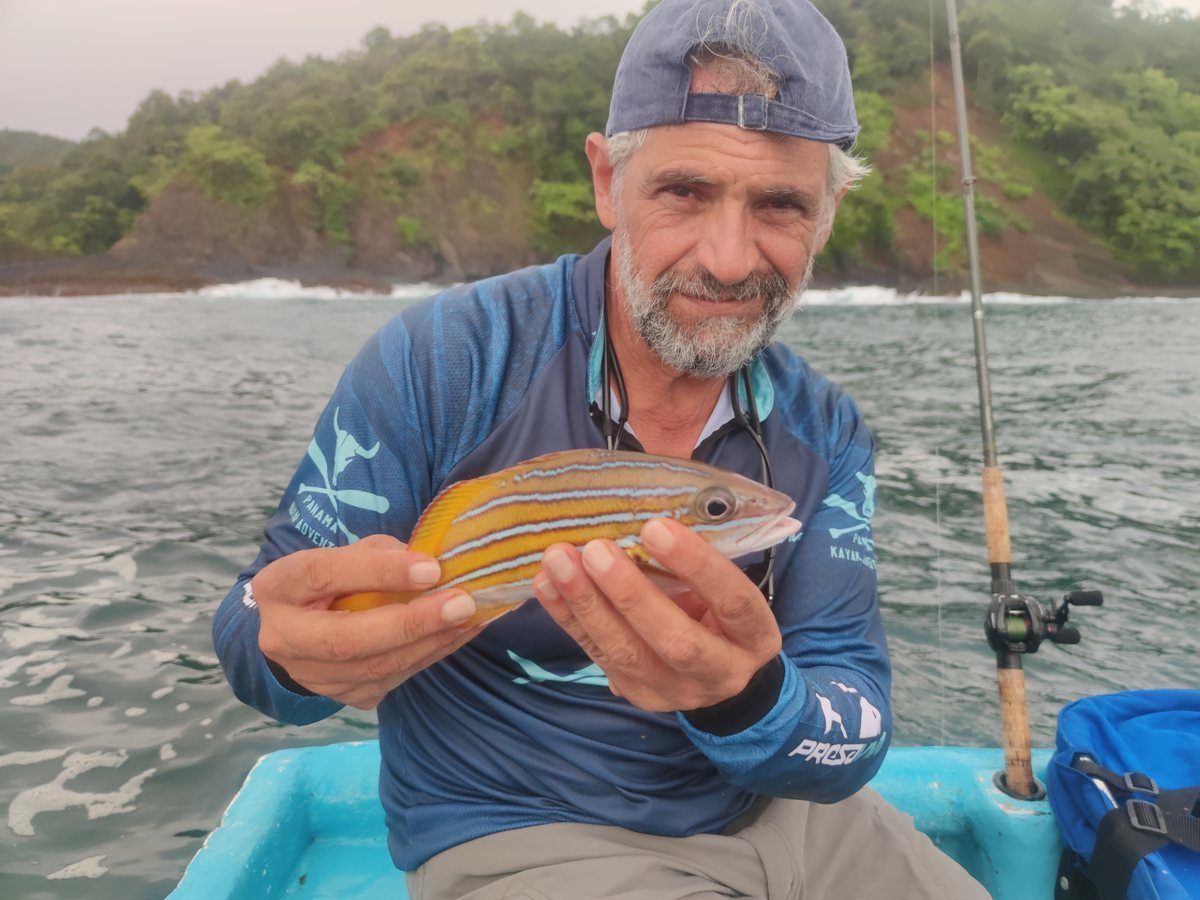
The bread and butter of this lodge, and abundant. Smaller fish hunt in packs and give constant sport; the big ones are solitary and give you a fight you will still be describing years later. This coast is one of the places where they show up most consistently.
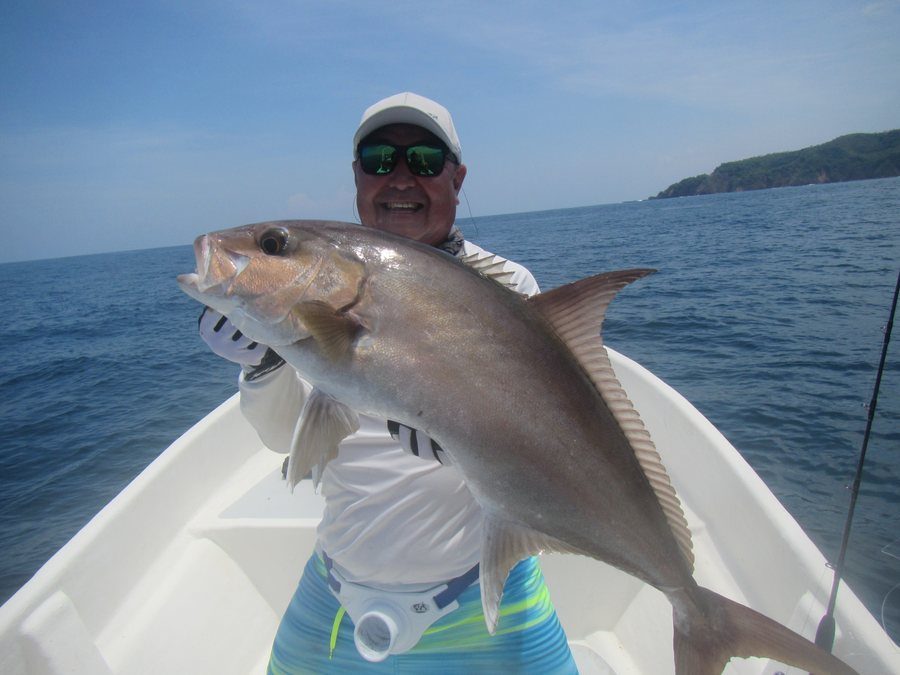
Amberjack
Three species present, holding in big schools on the deeper offshore reef marks. Immensely powerful on jigging tackle and, like the cubera, entirely committed to getting back to the reef and breaking you.
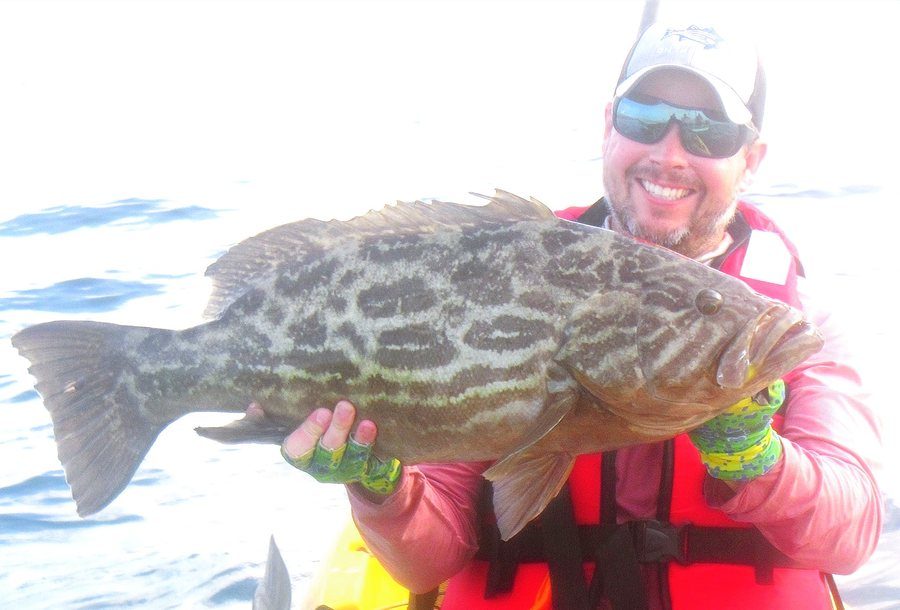
Grouper
Several species here; two matter. Goliath grouper exceed 500 lb, broomtail top out near 100 lb. That fish of this class are resident says more about the health of the ecosystem than anything we could write.
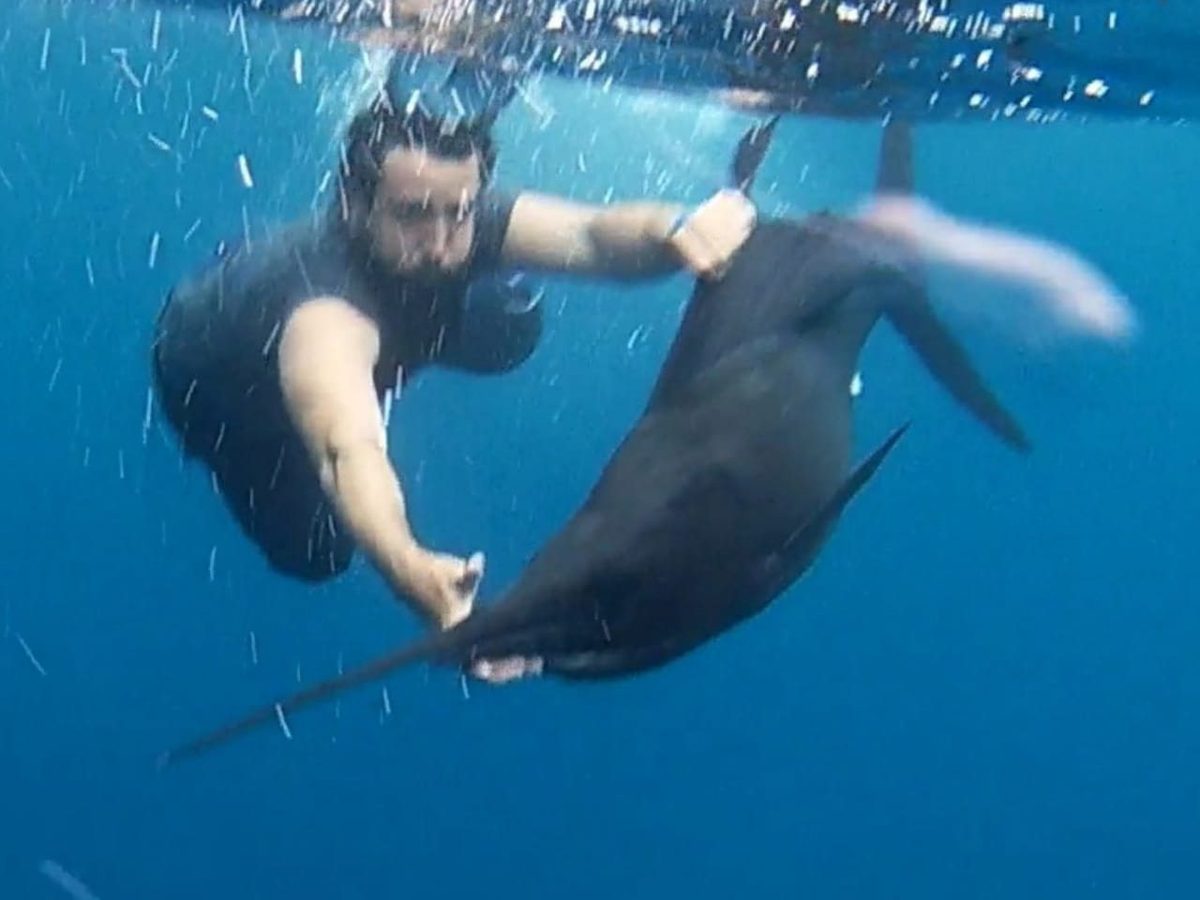
Billfish
The migration route runs past us, under two miles from the 1,000 fathom line. They come right inshore — we have seen them within a few hundred metres of the rocks, and they have attacked small tuna already hooked. A viable kayak target if you want it.
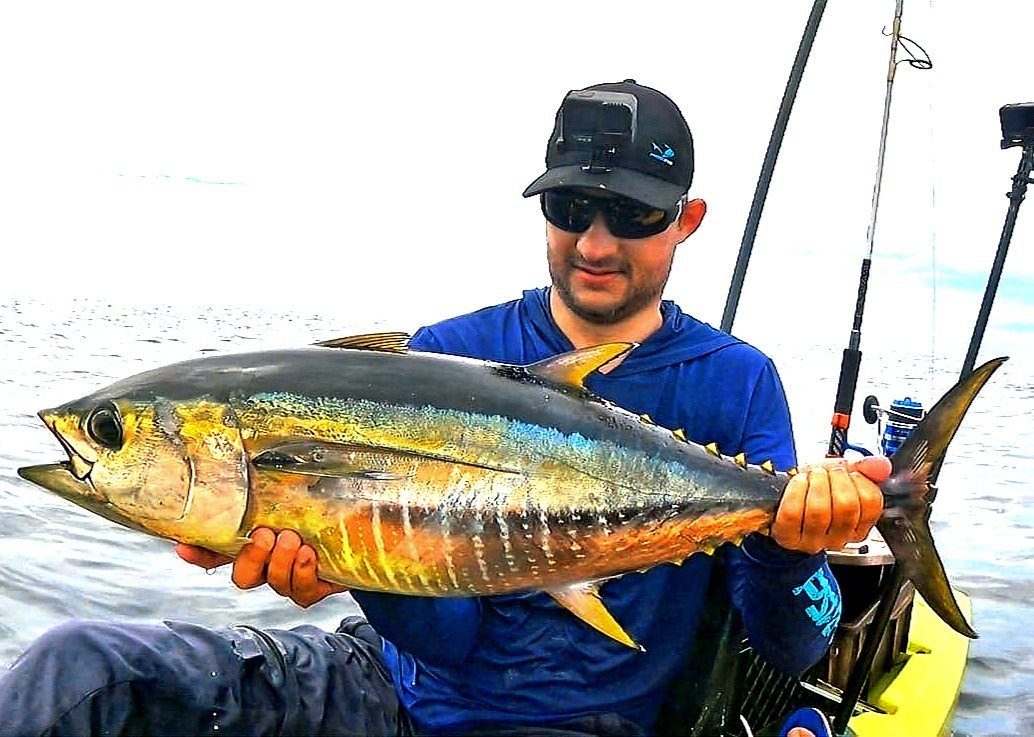
Tuna
Shoals hold along this coastline and are the reason the rest of the food chain is here. Being towed by a yellowfin from a kayak, with a thousand metres of water under you, is the single experience this place is built around.
Wahoo
The speed demon, and a genuinely difficult fish from a kayak. They turn up anywhere, any time of year. Often visible cruising just under the surface — if you can put a diving lure across the path and rip it back at full speed, you are in with a shout.
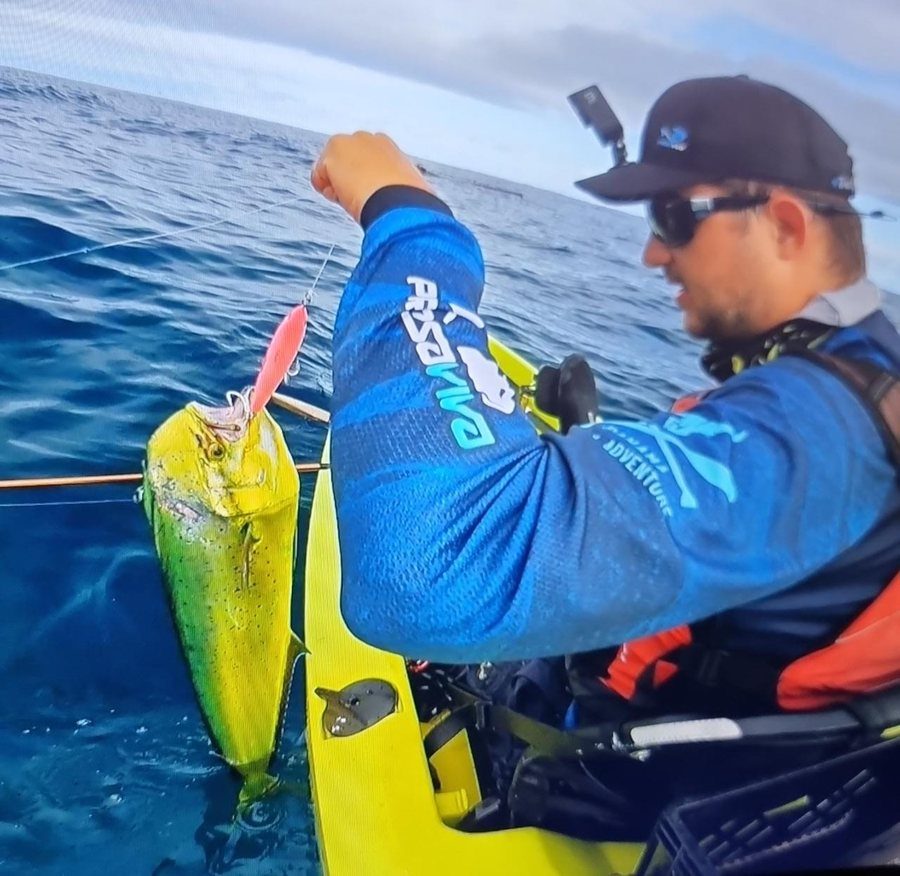
Mahi Mahi
Thought of as an offshore fish, but here we find them yards off the rocks or just beyond the breakers on the sand. The acrobatics and the colour make them one of the memorable ones from a kayak.
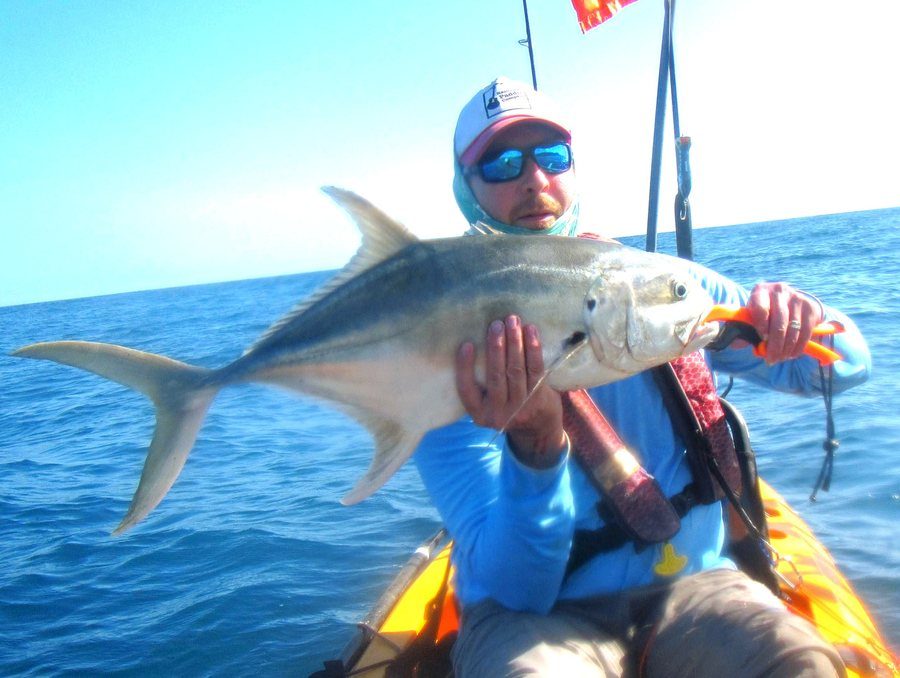
Jack Crevalle
Brutes, and the best fun on top-water we have. A pack competing to reach your popper first is worth the trip on its own. When the big schools are in, the action does not stop.
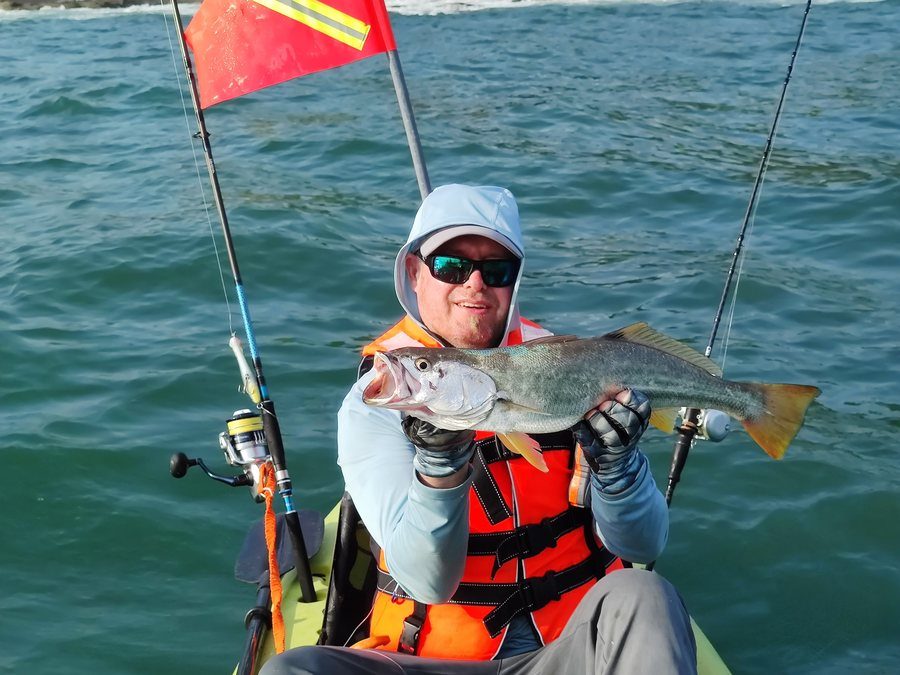
Corvina
They move inshore from January once the dry season sets in, and they come in waves — here one week, gone the next. Found on the nearshore reef, around rocky outcrops near sand, and where fresh water meets salt.
Mullet Snapper
When the cold water arrives it packs them into large shoals that rise to the surface seeking warmth. Huge patches of red visible on the water — you put the popper in the middle and hold on. One of the strangest sights of the season.
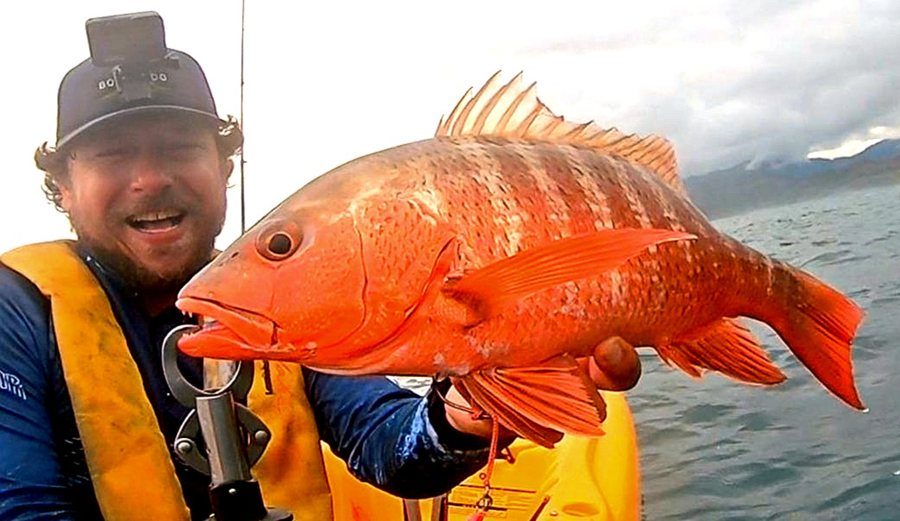
Yellowtail Snapper
The best-looking snapper on this coast and the best eating fish we have. They school on the reefs during the dry season upwellings, which brings them up from deeper water into range of light jigging gear.
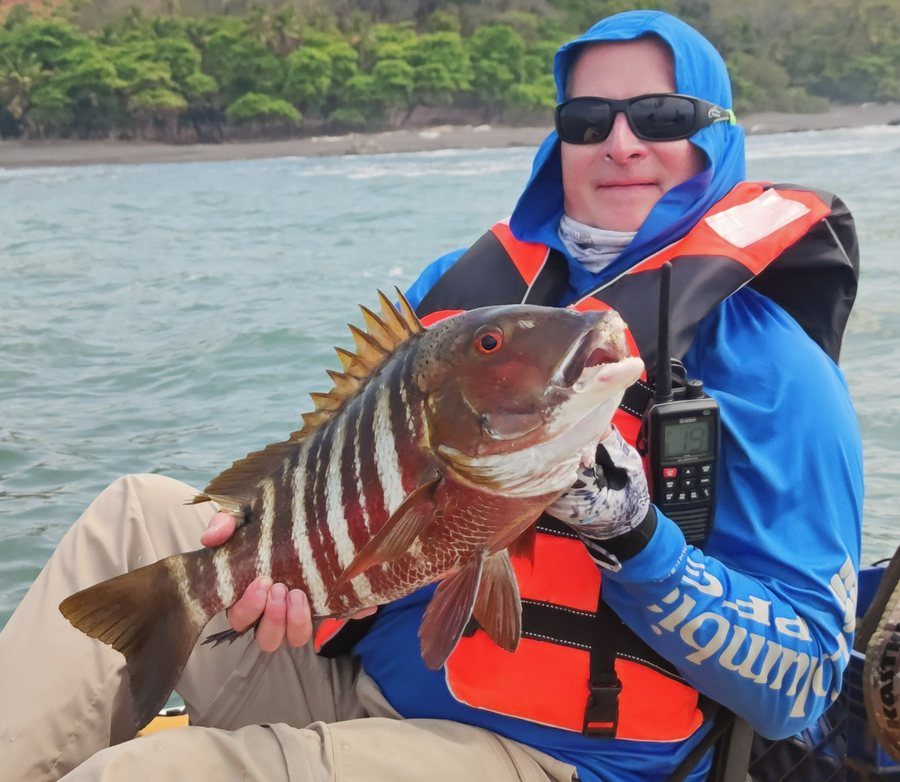
Rock Snapper
Opportunists that will take almost anything, which makes them one of the more obliging species for a visiting angler. Resident year round, anywhere from tight inshore to the edges of the offshore reef.
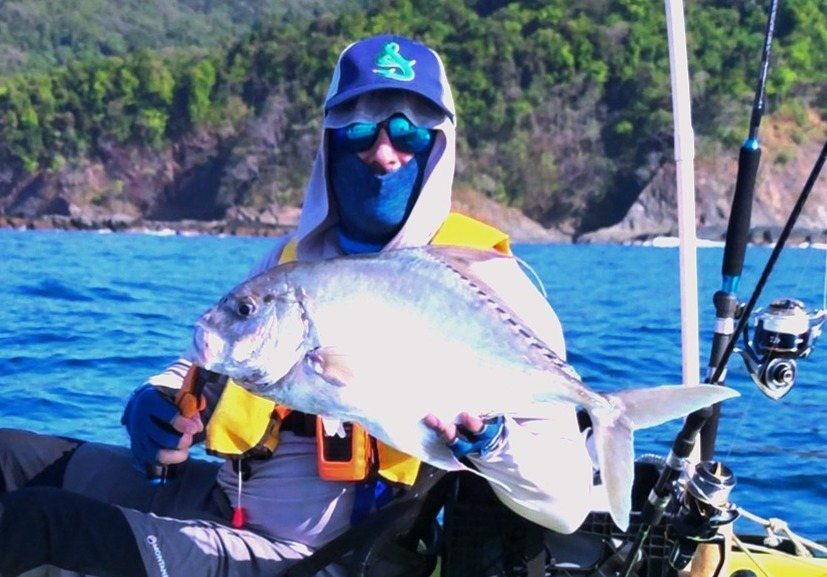
Pompano
Three varieties, all with the same habits — a little way offshore, around structure, anywhere from the bottom to high in the water column. Find a school on a reef and several in a row is normal.
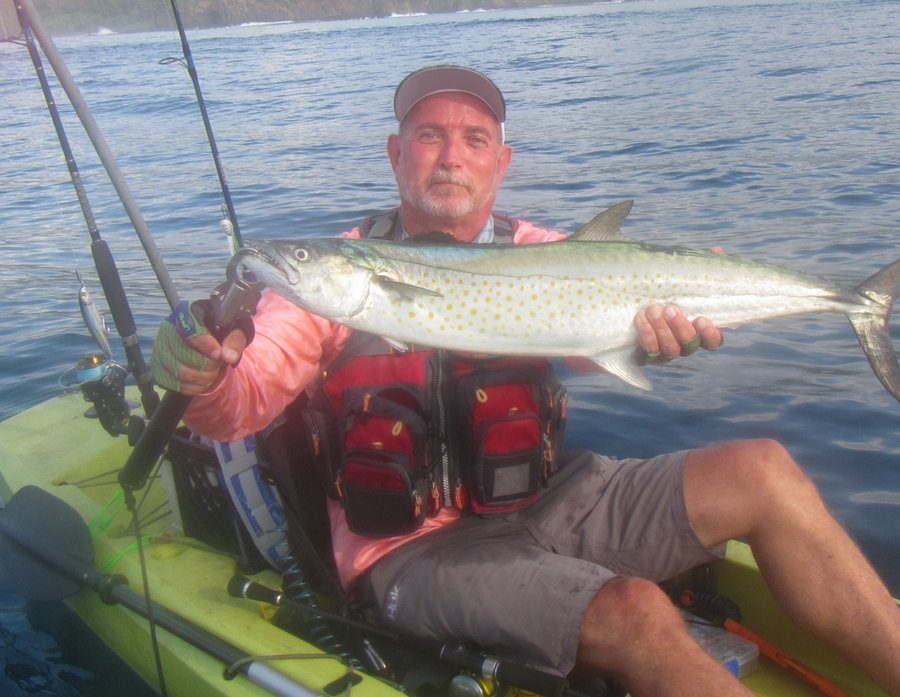
Sierra Mackerel
A regular catch and a kitchen staple. Blistering runs and a habit of leaping clear of the water, hooked or hunting. They favour slightly coloured water where they have the advantage — always worth a look if you want one.
Golden Trevally
Not common, but present every season, and the gold and the stripes make it a welcome fish. Their protruding mouthparts are built for rooting out crabs and shrimp, which makes them a difficult target. They can be caught.
Rainbow Runner
They move with the yellowfin and black skipjack shoals and turn up on the tuna marks on a favourable current. Not common, and they fight far beyond their size. The kind of surprise that keeps this coast interesting.
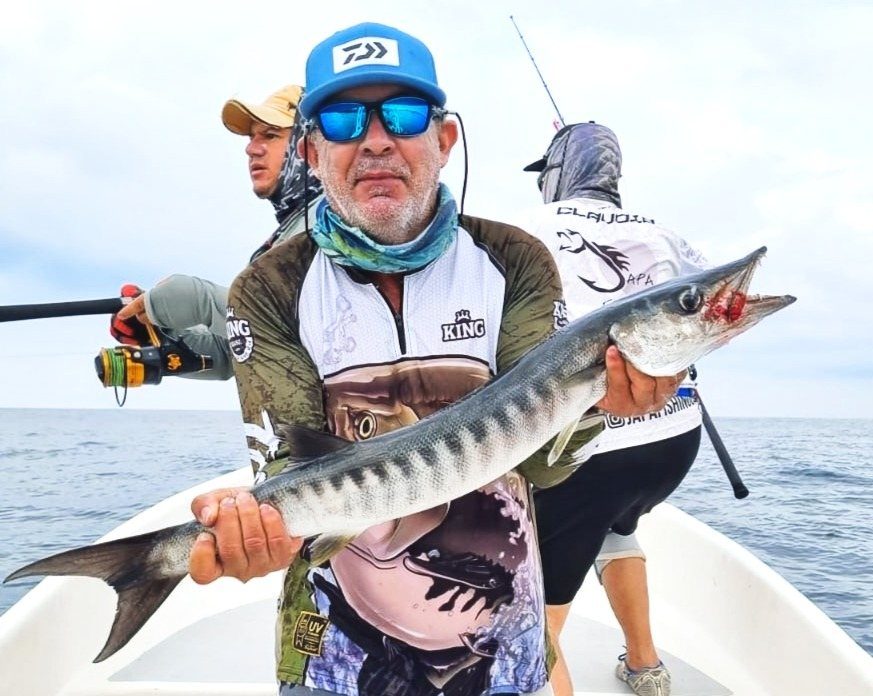
Pacific Barracuda
A run every season, appearing out of nowhere. Smaller than their Atlantic cousins, and with no ciguatera risk on this side. Good sport and very obliging when they are in the mood.
Giant Hawkfish
The largest of the hawkfish and a character. Orange and blue, fiercely territorial, resident right against the rock and willing to charge out at anything that comes close — including lures intended for fish ten times its size.
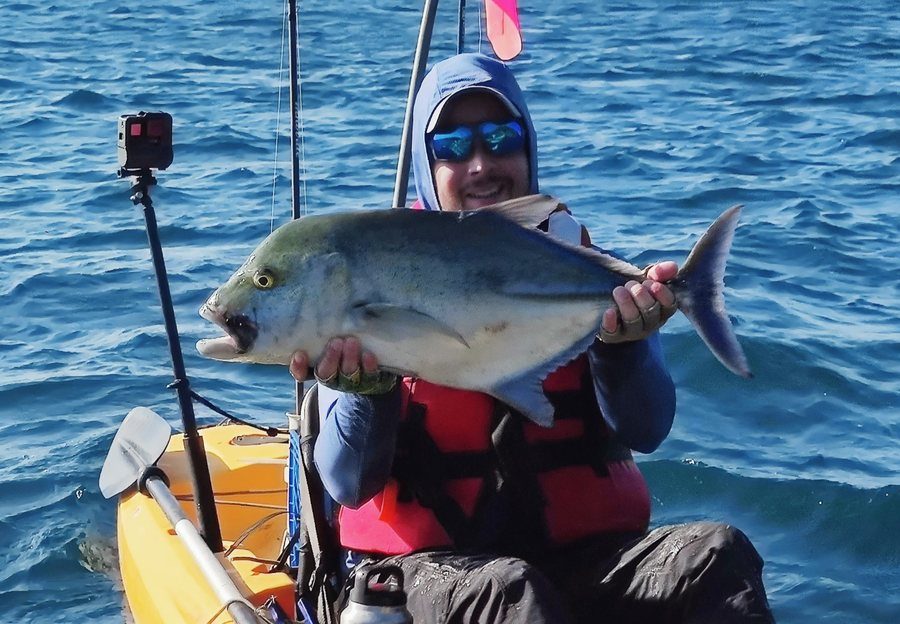
Bluefin Trevally
Electric blue fins and black spotting, holding tight to the rock and to the shallow reef. Aggressive and strong out of all proportion — a short, violent fight on light gear.
From the shore at night: snapper, nurse shark and big cubera have all come in the surf on bonito flesh. Large stingray, eagle ray, bagre and other sharks are present at points in the season.
Two cabins, on the beach.
Built with reclaimed material and local labour, on the shore, with no road reaching it. Solar power, biodigester treatment, and waste that leaves with us.
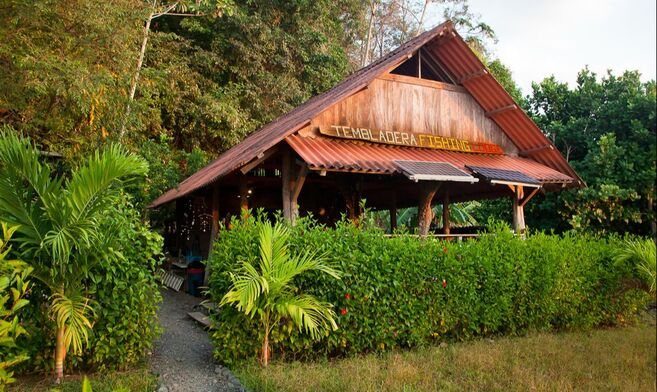
Two cabins, each with a private bathroom.
There are two cabins, each for two anglers, each with a private bathroom. Four people in total, which is the capacity of the week.
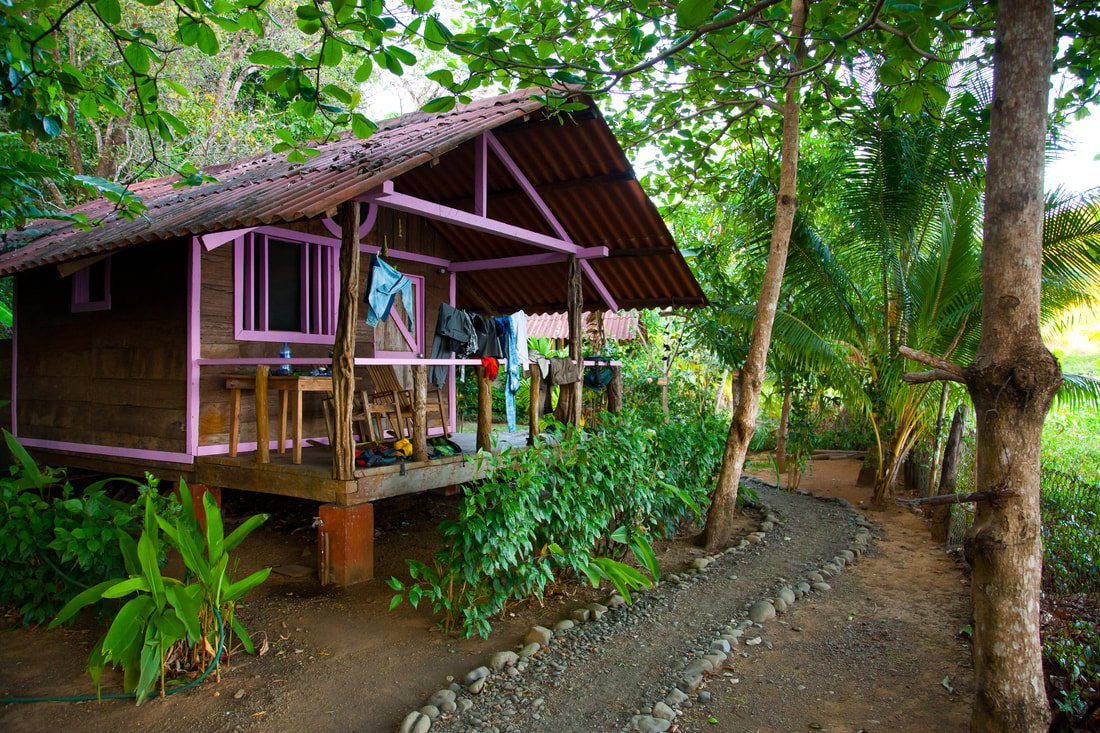
The cabins are built from reclaimed timber and sand from the beach in front of them. Nothing was felled to build this lodge. They were raised by local labour, using methods that suit the climate and the material at hand.
It is the only workable way to build ninety minutes by boat from the nearest road: everything that arrives here arrives on a panga.
What keeps it running.
Solar power
A photovoltaic system. There is no grid on this coast, and no generator running all day.
Biodigester
All wastewater passes through a biodigester before it goes anywhere. On a coast with no infrastructure, that is the difference between a lodge and a pollution source.
Waste
Organic waste is composted on site. Non-organic waste leaves by boat and goes to Panamanian recycling projects. Nothing is buried and nothing is burned here.
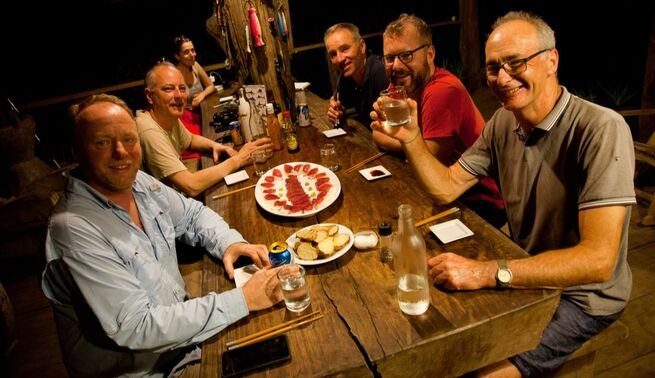
The day’s catch, after the boats are in.
All meals are included, largely the day’s catch. Filtered water, tea and coffee throughout.
Alcohol is bring-your-own. We stop at a supermarket on the drive down so you can buy what you want at local prices.
This is a fishing lodge on a remote coast. It is comfortable and it is clean, and it is built for people who want to be on the water at first light.
There is Wi-Fi, and you should not plan around it.
We keep satellite Wi-Fi for emergency communication and so that everyone can stay minimally informed about what is happening outside.
Personal access to the network is an additional fee, not included. The equipment is satellite-based, so the service depends on the signal that day.
If you need to be reliably reachable for work, this is not the right week.
Who runs it, and at what scale.
Local captains and guides who know these marks because they grew up on this coast. Four anglers a week, which is what this structure serves properly.
Local knowledge is not something you hire in.
The captains and guides are from this region. They know the marks, the tide, the afternoon wind and where the fish are in each month. That is the kind of information no chart carries.
The lodge itself was built by local labour, and the week depends on it: kitchen, boats, maintenance, logistics.
Four anglers a week.
Four is the number this structure serves without compromise: two cabins, individual attention from the guide, and ground that does not have to be shared.
It is not a marketing figure. It is the real capacity of a place ninety minutes by boat from the nearest resupply.
What is in place, and what is expected of you.
A support boat shadows the kayaks all day, within sight. Radio communication between boat and anglers. Satellite Wi-Fi for emergencies.
We ask every angler to carry a portable waterproof VHF. Every guest signs a disclaimer on arrival, as with any adventure activity.
Remoteness is part of what this operation offers and also the condition that demands preparation. There is no hospital fifteen minutes away.
Priced by option.
Kayak and panga are separate products, with separate rates. Six nights and five full fishing days in either one.
Payment at the lodge on check-in. Up to four anglers a week.
See this optionRate set according to group size and season. Write to us with a date in mind.
See this option- Six nights in a cabin with private bathroom
- Five full fishing days
- Road transfer, Panamá City to Cambutal
- Boat transfer, Cambutal to the lodge and back
- All meals at the lodge
- Local captain and guide
- Filtered water, tea and coffee
- International flights to Panamá City (PTY)
- Hotel and expenses in the city
- Alcohol — bring your own, bought on the drive down
- Fishing tackle — hire available
- Personal Wi-Fi access
- Tips, optional under Panamanian law
Two nights in the city.
The transfer takes a full day, so you cannot go straight from an international flight to the lodge. You need a night in Panamá City on arrival and another on the night we drop you back.
What to bring, and why it matters.
Follow this list closely. The models and colours are not arbitrary — they are what has worked here, and getting them wrong will cost you fish.
You do not have to fly with rods.
We hire jigging and popping outfits. Rods and reels are Penn, Shimano, Daiwa and St. Croix, spooled with appropriate braid.
| Rod and reel combo | $150 |
| Rod only, you bring the reel | $50 |
Livebait rods are carried on the boat and handed to you as we catch bait — those are not charged.
Spinning · 50–60 lb
- Rod — Shimano Terez Heavy, 7' to 8'
- Reel — Shimano Saragosa SW8000
- Line — PowerPro 50/60 lb
Speed jigging · 50–60 lb
- Rod — Shimano Trevala 6'6 medium fast
- Reel — Shimano Saragosa SW8000 or conventional
- Line — PowerPro 50/60 lb
Leaders
- Mono 80 lb — spinning and speed jigging
- Mono 120 lb — livebait
The list that works here.
Poppers
- Tackle House Feeder Popper 150
- River Dumbell Popper 150 F
- Daiwa Popper
- Strike Pro Tuna Hunter Jr 140
- Rapala Skitter Pop 120
- Colours — sardine, blue
Stickbaits
- Rapala X-Rap Subwalk, pink
- YoZuri Mag Darter 125
- Strike Pro Buster Jerk 15 cm
- Colours — blue, sardine, pink
Jigs
- Shimano Flat Drop 100 g / 130 g
- Shimano Coltsniper 80 g / 100 g
- Micro jigs to 40 g
- Colours — pink, chrome, blue
Plugs — must have
- Williamson Speed Pro Deep 130, bruised purple or hot pink
- YoZuri Crystal Minnow, red head / yellow body
Change them before you get here.
This is the part most people underestimate. The hooks that come on the lure will be straightened by ordinary fish on this coast — not exceptional ones.
- Trebles — heavy duty, Owner ST66 or equivalent, same size as the original
- Circle hooks for livebait — VMC 3X Nemesis 7/0 black
- Rings — 100 lb solid rings and split rings
Bring split ring pliers. You will use them.
The rest of it.
- Polarised sunglasses · good hat or cap · buff
- Long-sleeve shirt and long trousers
- Gloves
- Water shoes with real grip — for the rock. Important.
- Insect repellent
- Headlamp
- Dry bags — the boat transfer gets wet
- Water bottle for the kayak
- Soap, shampoo, towel
- Optional — small echo sounder, chargeable at the lodge
Bring a waterproof VHF radio.
We strongly recommend every guest carries a portable waterproof VHF. If you come off the kayak or get into trouble, you call us and we come. That is the whole system.
They are not expensive, and they do two jobs: they can save your life, and they keep you in direct contact with your guide on the boat all day, which will get you more fish. Please do not leave it at home.
Two things before you travel.
A photocopy of your passport. Required under Panamanian law since 2019. Bring a physical copy.
A disclaimer form. You will sign it when you meet the driver. It is the standard document for any high-risk adventure activity anywhere in the world.
Bring the lure you always bring, too. It might work, and then you have a better story.
How anyone ends up here.
I found Tembladera in 2013. A friend invited me to fish the most remote water on the Azuero Peninsula — a place many Panamanians still do not know exists.
One trip was enough. This was the place to fish from a kayak. Two miles out and you are over 500 metres of water, then a thousand. That is why coastal fish and deep-sea fish mix here.
But it was never only the big fish. It was the number of species and everything else living around them. Turtles, mantas, whales. On land, monkeys, iguanas and an uncountable variety of insects.
Tembladera is the place I imagined having when I found sport fishing as a boy, fishing next to my father.
The lodge is our home before it is a fishing lodge.Roque Freitas
Moved from Brazil to Panamá.
Bought a first kayak, looking for a lighter way into fishing.
Met Pascal Artieda and saw the lodge being built on the Wild Coast. Began guiding here.
Began importing his own kayak models and built the largest fishing kayak business in Panamá.
Founded and runs the PanaYaks Kayak Fishing League.
Took the lodge on from Pascal, and it becomes Tembladera Wild Coast.
Why Tembladera Wild Coast.
This lodge operated as Panama Kayak Fishing Expedition, and before that under the founder who built it. The fishing, the ground and the people have not changed. The name has.
Tembladera is the place. The Wild Coast is what this stretch of Veraguas shoreline is called by the people who live on it. Putting the two together says what this is and where it is.
What is added now is the panga as an option in its own right, with its own anglers and its own way of fishing.
The coast in motion.
A photograph shows the fish. Video shows what happens before it appears — the paddle, the tide, the wait, and the moment the line disappears.
Videos only load from YouTube when you click play. Until then this page talks to no outside server.
The most recent videos, in the order they went up.
This block updates on its own: every video published on the channel appears here with no change to the site.
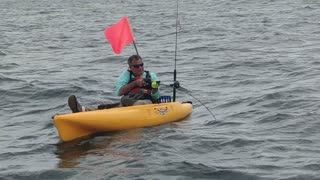
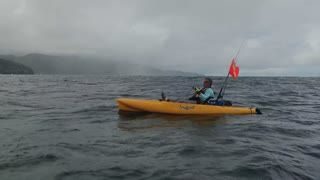
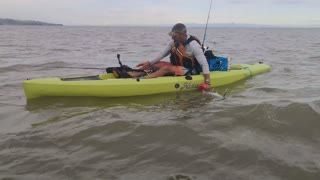
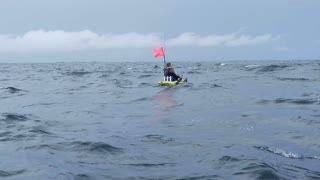
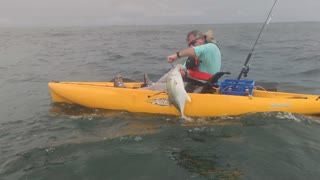
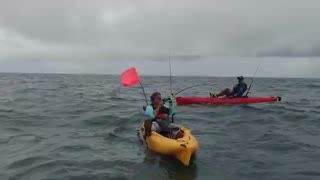
Flat on the water, no engine. This is the option where the fish tows the angler.
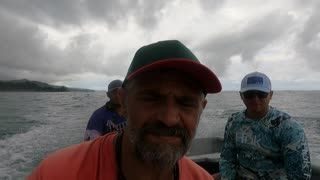
Preview — kayak fishing · Frames from the footage in the archive, not published yet.
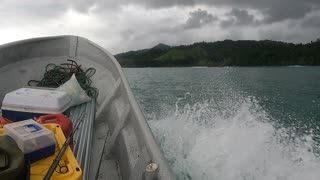
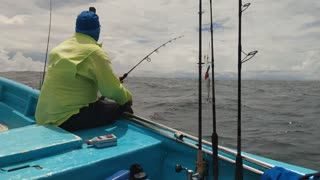
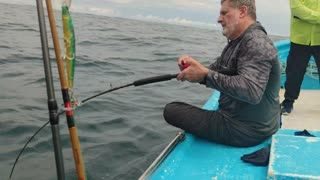
Aboard, with greater range. Outside marks and deeper water.
Once the playlist exists on the channel, videos appear here on their own and update with every new upload. Nothing needs editing on the site.
Preview — panga fishing · Frames from the footage in the archive, not published yet.
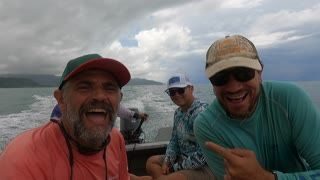
Ask about a week.
Tell us which option, how many anglers and roughly when. We will answer with what is actually open.
info@tembladerawildcoast.com
+507 6612 7355
Response time
Out of season, within two working days. In season the lodge is off-grid for six days at a time.
Languages
English and Portuguese.